

 By
By South Korea AI Basic Act Sets National AI Rules Ahead of 2026 Rollout. South Korea is preparing to implement a landmark legislative framework governing artificial intelligence, with the South Korea AI Basic Act set to take effect in 2026. This initiative reflects Seoul’s ambition to balance rapid technological advancement with ethical oversight and societal safeguards.The legislation represents one of the first comprehensive national AI regulatory schemes in Asia, codifying principles for innovation, safety, accountability, and transparency. By establishing a centralized legal foundation, the government aims to guide both public and private AI initiatives under a unified standard.
Key Objectives of the South Korea AI Basic ActThe South Korea AI Basic Act outlines several primary objectives:
Ethical Development – Mandates that AI systems adhere to ethical principles, ensuring fairness, non-discrimination, and protection of human rights.Safety and Risk Management – Requires robust risk assessment protocols and continuous monitoring for AI systems deployed in critical sectors.Innovation and Industry Growth – Supports research and commercial deployment while maintaining regulatory compliance.Transparency and Accountability – Establishes clear reporting structures for AI decision-making processes and outcome assessments.Public Engagement – Encourages citizen participation in policy formulation and AI impact assessment.These objectives aim to position South Korea as a global leader in responsible AI development while minimizing societal risks.
Global Context and ComparisonSouth Korea’s initiative is part of a broader international movement toward AI regulation. The European Union’s AI Act, which sets rigorous compliance standards for high-risk AI, served as an influential model. Similarly, countries like Japan, Singapore, and the United States are exploring AI governance frameworks emphasizing ethics, transparency, and accountability.What distinguishes the South Korea AI Basic Act is its integration of national innovation strategy with legal safeguards. The legislation explicitly supports AI commercialization while mitigating risks, reflecting a balance between competitiveness and regulatory responsibility

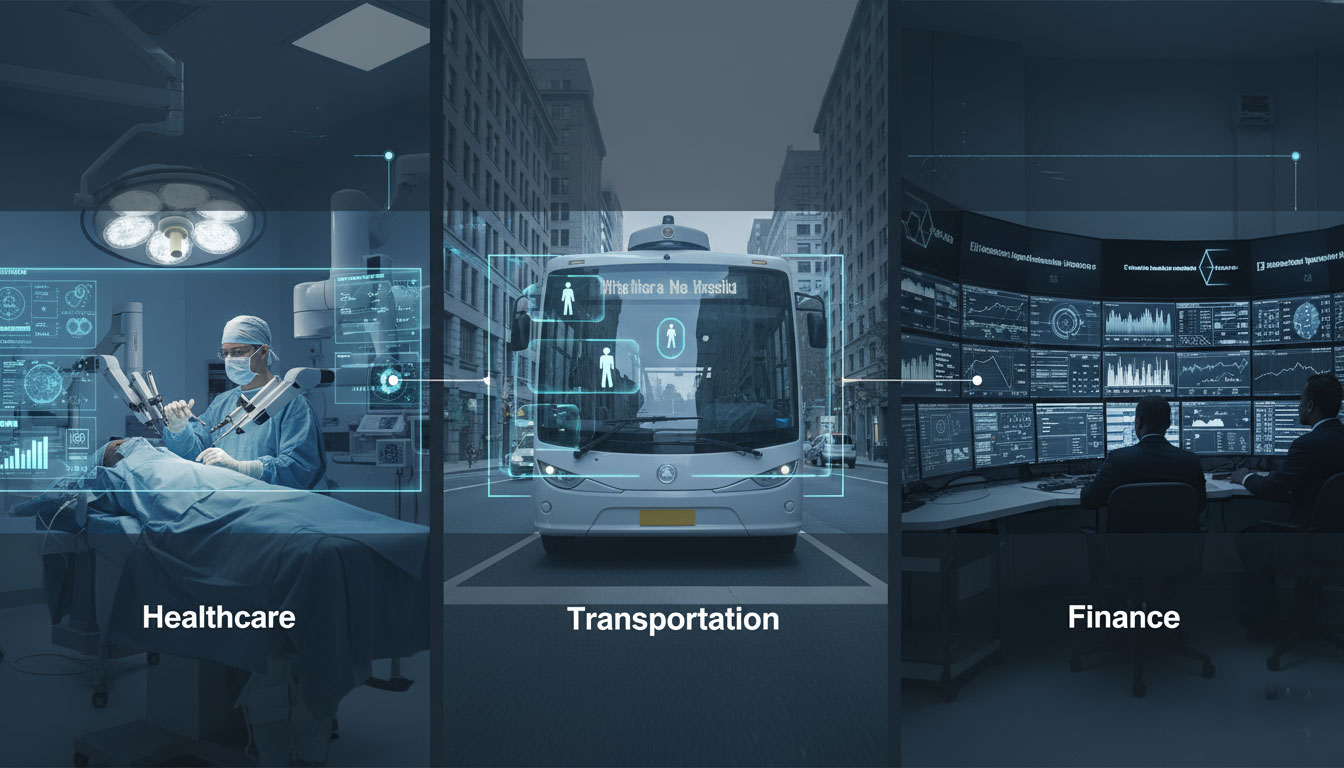
Implementation Timeline and OversightThe 2026 rollout will involve phased implementation across key sectors. Initial focus areas include:Healthcare: AI-assisted diagnostics, personalized treatment plans, and medical imaging systems.Finance: Algorithmic trading, credit scoring, and fraud detection systems.Transportation: Autonomous vehicle operations, traffic management, and safety monitoring.Defense: Surveillance, decision-support systems, and AI-assisted logistics.Education: Personalized learning platforms and AI-driven assessment tools.The Ministry of Science and ICT, in coordination with the Korean Agency for AI Oversight, will monitor compliance, evaluate systemic risks, and provide annual public reporting on AI deployment and impact.Ethical and Legal ConsiderationsCentral to the South Korea AI Basic Act is the enforcement of ethical standards. The legislation mandates:Human-centric AI design to preserve agency and consent.Prohibition of discriminatory algorithms in hiring, lending, and law enforcement.Clear documentation of AI decision processes for auditability.Accountability for AI developers and deployers in cases of harm or malfunction.Legal experts have praised this proactive approach, noting that early adoption of ethical AI standards can prevent crises of trust and minimize legal disputes as AI becomes more pervasive.Economic ImplicationsThe Act also signals a significant economic opportunity. By providing a clear legal framework, South Korea seeks to attract international AI investment and encourage domestic startups. Analysts predict:Increased R&D spending in AI technologies.Growth of AI-related employment and skill development programs.Expansion of AI-powered exports and global partnerships.The legislation aims to position South Korea as a hub for responsible AI innovation, balancing economic growth with societal safeguards.Public Participation and Social TrustThe law emphasizes citizen involvement, including public consultation processes for high-risk AI deployment. Transparency in policymaking and operational audits is designed to enhance trust, ensuring that AI adoption does not exacerbate social inequalities or infringe on civil liberties.Experts highlight that fostering public confidence is as critical as technological sophistication. Trust is a central component in the sustainable integration of AI into daily life.

Challenges and CriticismsWhile widely regarded as progressive, the South Korea AI Basic Act faces potential challenges:Regulatory Enforcement: Ensuring compliance across diverse industries may require substantial monitoring infrastructure.Global Alignment: Harmonizing South Korea’s regulations with international standards to avoid trade conflicts.Rapid Technological Change: Keeping legal frameworks current as AI evolves beyond today’s models.Addressing these concerns will be essential for the legislation to achieve its dual goals of innovation and protection.Technological and Societal ImpactThe Act is expected to reshape multiple dimensions of South Korean society:Innovation Ecosystem: Encourages startups, accelerators, and corporate R&D.Workforce Transformation: Expands AI literacy and technical skillsets across sectors.Public Services: Enhances efficiency and safety in healthcare, transport, and education.International Reputation: Positions South Korea as a leader in ethical AI governance.By intertwining legal, economic, and ethical objectives, the legislation serves as a holistic model for future AI policy worldwide.The South Korea AI Basic Act marks a historic step in national AI governance. By 2026, the legislation will establish comprehensive ethical, legal, and operational standards for artificial intelligence across public and private sectors. The initiative demonstrates Seoul’s commitment to fostering innovation while safeguarding societal interests—a blueprint for countries worldwide navigating the complex terrain of AI deployment.The Act reflects a forward-looking approach that balances technology, policy, and public trust, signaling South Korea’s intent to lead not only in AI innovation but also in responsible governance.